
Life happens. Great organizations prepare for it.
I help organizations navigate leadership transitions with the strategy, structure, and humanity to keep people and business moving forward.
Leadership transitions reveal things.
Who really owns the decisions. Where knowledge lives. Whether the team has capacity or is holding everything together with caffeine and goodwill.
They also reveal something bigger: how an organization leads when work and life collide.
I've spent more than 25 years leading marketing and sales teams through growth, restructures, leadership changes, handoffs, employee leave, and plenty of moments that did not arrive according to plan.
And I've learned something I believe deeply:
Organizations shouldn't have to choose between supporting their people and achieving business results.
That belief, combined with decades of hands-on leadership experience, led me to develop The Continuity Method™, a practical framework for helping organizations navigate transitions while protecting business momentum and the people behind it.

I've seen what happens when work and life collide.
In one 15-month stretch of my corporate career, I bought a house, got married, had a baby, lost my mom to cancer, and changed jobs.
Work didn't slow down. My team launched new channels and campaigns. I hired five people. I reported to three different bosses.
And I kept delivering.
From the outside, the system appeared to be working. It wasn't. I was.
I was carrying an unsustainable amount of work, but because it kept getting done, the strain stayed largely invisible. When I went on maternity leave, the gap became obvious. Later, an organizational restructure divided pieces of what I had been carrying among multiple people.
Years later, while running my own consulting business, three family emergencies hit within five weeks.
This time, I made a different choice.
I hired support, built systems, and created structure so the business didn't depend entirely on me.
Those experiences fundamentally changed how I think about resilience.
Resilience isn't about how much one person can carry. It's about whether the system can carry the work when they can't.

I've experienced change from every side.
My perspective isn't based only on my own leave experiences.
I've spent my career navigating restructures, leadership changes, handoffs, growth, and organizational change, sometimes leading it, sometimes inheriting it, and sometimes being directly affected by it.
In one leadership role, I was asked to pilot a new organizational structure that would eventually shape how similar teams operated across the country. I found a way to deliver without the additional team members I had been promised and built the systems and processes the work needed to keep moving.
Then I went on medical leave.
Before I stepped away, I made sure the team had what they needed. Work had ownership. Decisions had structure. Things didn't drop.
The system worked without me. That was the point.
When I returned, I was told my role hadn't made enough impact because the work had continued in my absence.
That experience crystallized something I'd been learning throughout my career:
Strong leadership isn't about making yourself indispensable. It's about building something that doesn't fall apart when you're unavailable.
That's why I think differently about continuity.
Most organizations don't realize how dependent they are on individual people until one of those people isn't available.
The absence doesn't create the vulnerability. It exposes it.
That's why I don't treat leadership transitions as staffing problems. The work matters, but so do decision rights, institutional knowledge, team capacity, critical relationships, communication, and what happens when the leader returns.
The Continuity Method™ turns those lessons into a practical approach for protecting people, performance, and momentum through change.
Coverage fills a gap. Continuity builds resilience.
I see the whole board.
For more than 25 years, I've worked across Fortune 100 companies, agencies, media, healthcare, B2B, B2C, and entrepreneurial businesses. I've led teams, carried revenue accountability, built new functions, and navigated 16 major transitions from different sides of the table.
That range matters because a leadership transition rarely stays contained. It can quickly become a capacity problem, a decision-making problem, a client problem, a revenue problem, or a retention problem.
My job is to see how those pieces connect before they become bigger problems.

-
25+ YEARS
Marketing & Sales Leadership
-
16 TRANSITIONS
And Counting
-
TEAMS of 3-15
Led Across Organizations
-
FORTUNE 100
Leadership Experience
-
10%+ YoY GROWTH
Revenue accountability as a sales leader
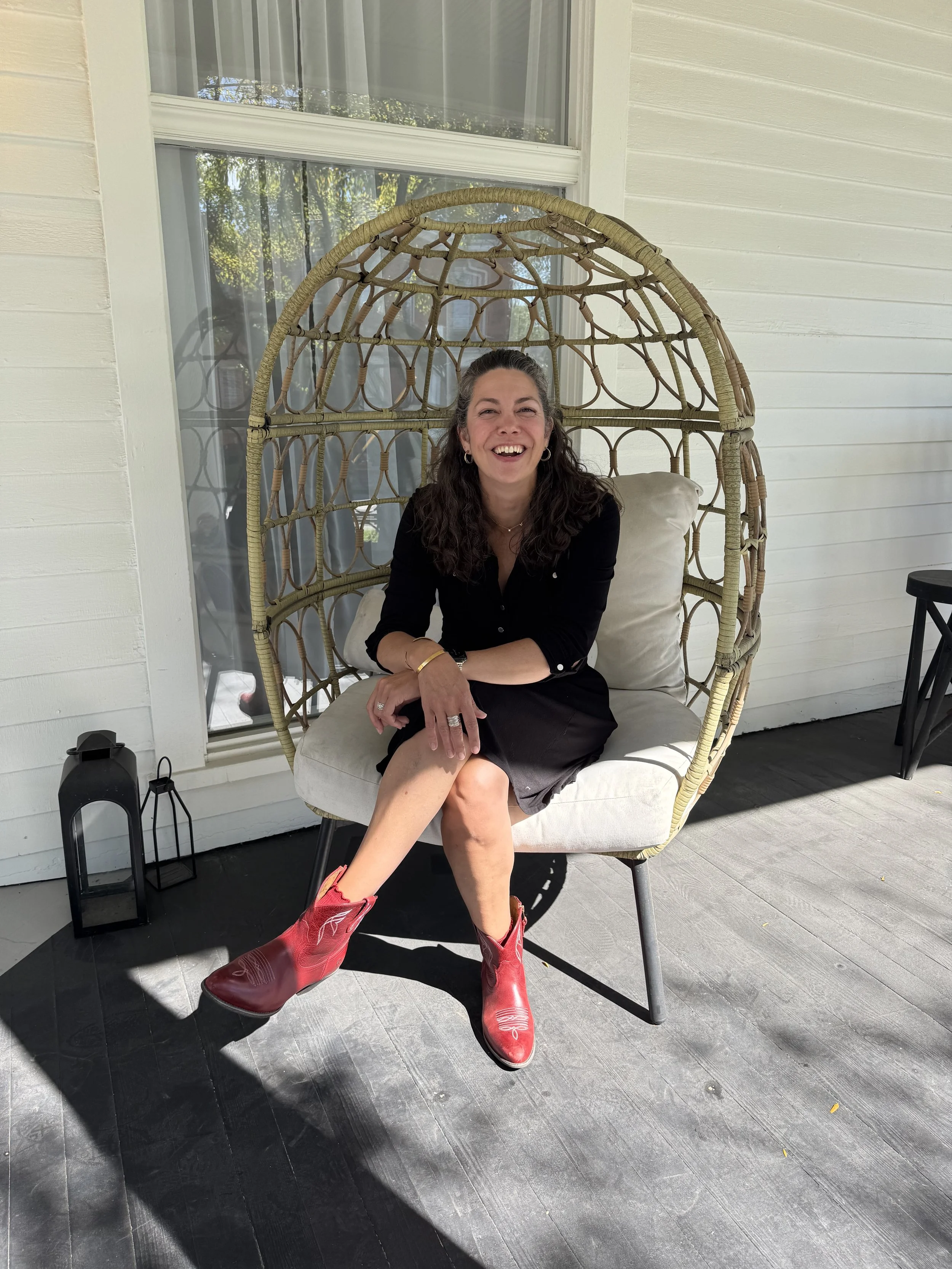
But credentials aren't the reason people trust me with messy situations.
People I've worked with consistently describe the same strengths: listening, seeing the bigger picture, connecting the pieces, and finding practical ways forward when things get complicated. Those themes show up repeatedly in feedback from former team members, colleagues, mentors, clients, and partners.
That combination of strategy and humanity matters to me.
Because the best strategy in the world isn't particularly useful if nobody understands it, trusts it, or can actually execute it.
The business matters. So do the humans running it.
I'm not interested in treating empathy and performance as opposite ends of a corporate tug-of-war.
Good leadership requires both.
I've seen what happens when high performers become the safety net for an organization. I've also seen what changes when leaders build enough structure that one person's absence doesn't become everyone else's emergency.
I believe in clear expectations and honest conversations. Shared ownership instead of heroics. Thoughtful preparation instead of frantic reaction. Strategy that can survive contact with actual human beings.
People and performance aren't competing priorities. Strong organizations are designed to protect both.
Parental leave. Medical leave. A resignation. A promotion. A restructure. An unexpected departure.
Life will keep happening.
The strongest organizations aren't the ones that somehow avoid disruption. They're the ones built to navigate it.
That's the work I'm here to help you do.
When something is changing, let's figure out what needs to stay strong.
You don't need to have the transition perfectly mapped before we talk. In fact, that's usually the point.
If a leader is preparing to step away, your team is already feeling the strain of a transition, or you're realizing your current plan amounts to “we'll divide it up and figure it out,” tell me what's happening.
We'll start there.
Prefer to send a message? Contact me here.